RECONNECTING TO UKRAINIAN HERITAGE: THE POLOVTSIAN STATUES
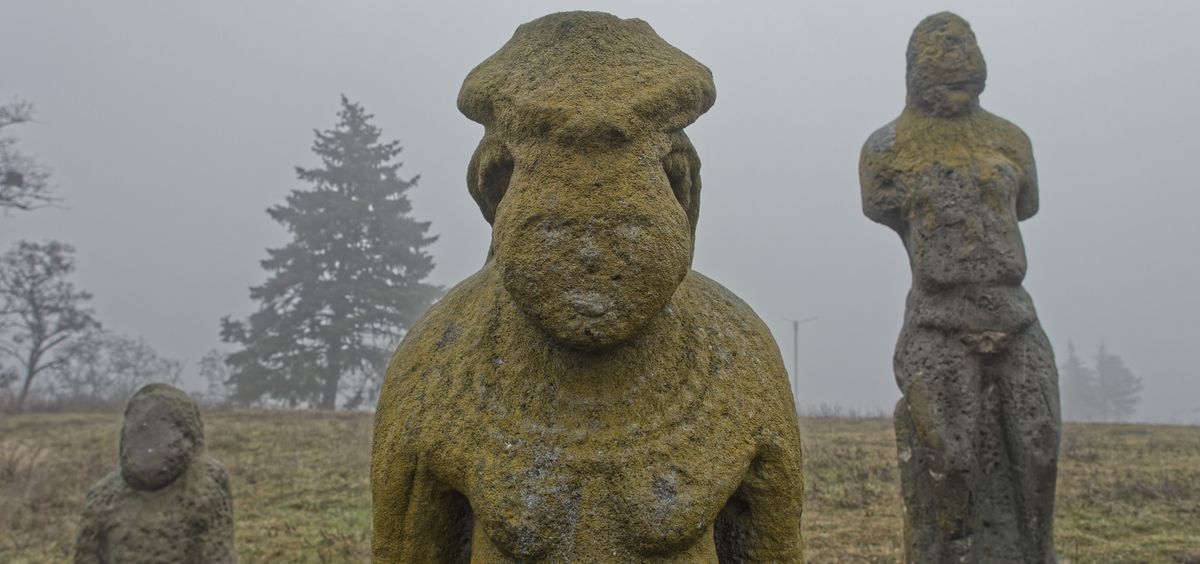
Users begin their journey outside of VR by launching the application on their smartphone. They select one of the Polovtsian statues, which will serve as their personal guide throughout the experience. Before entering VR, they can explore a map showing who else is online and where they are connecting from, represented by small avatars, fostering a sense of connection with fellow Ukrainians in the diaspora. Once ready, users are prompted to place their smartphone into a cardboard VR headset to fully immerse themselves in the experience.
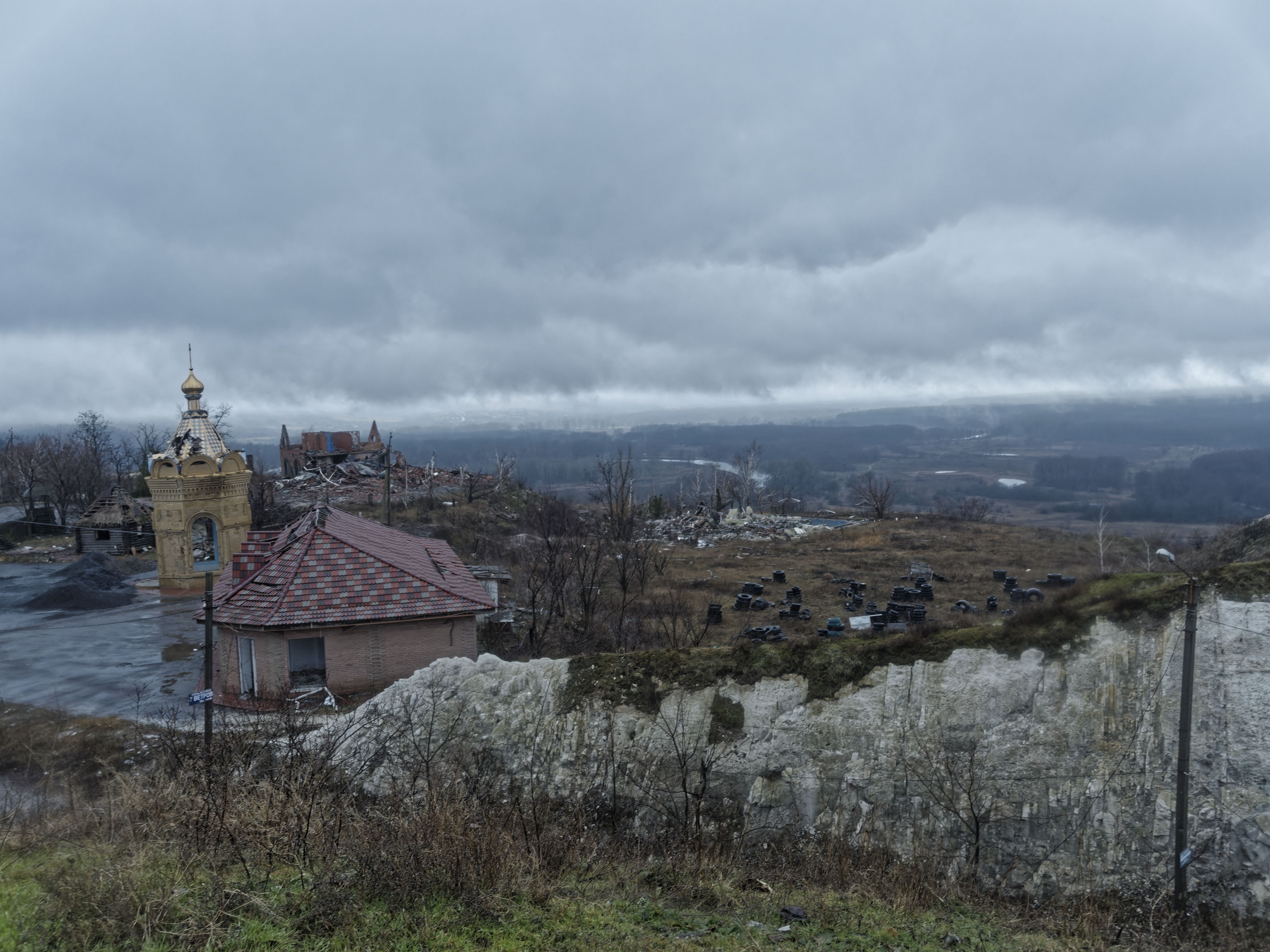
Who were the Polovtsians? Users are first transported to the hill in Izium, in the Kharkiv region, where the statues stand. They can look around freely to take in the full landscape. After a few moments observing the present-day environment, with the statues shown in their weathered and partially damaged state, the scene gradually transforms into a reconstruction of what the area might have looked like during Polovtsian times in the Middle Ages. A voiceover guides users, providing historical context and insight.
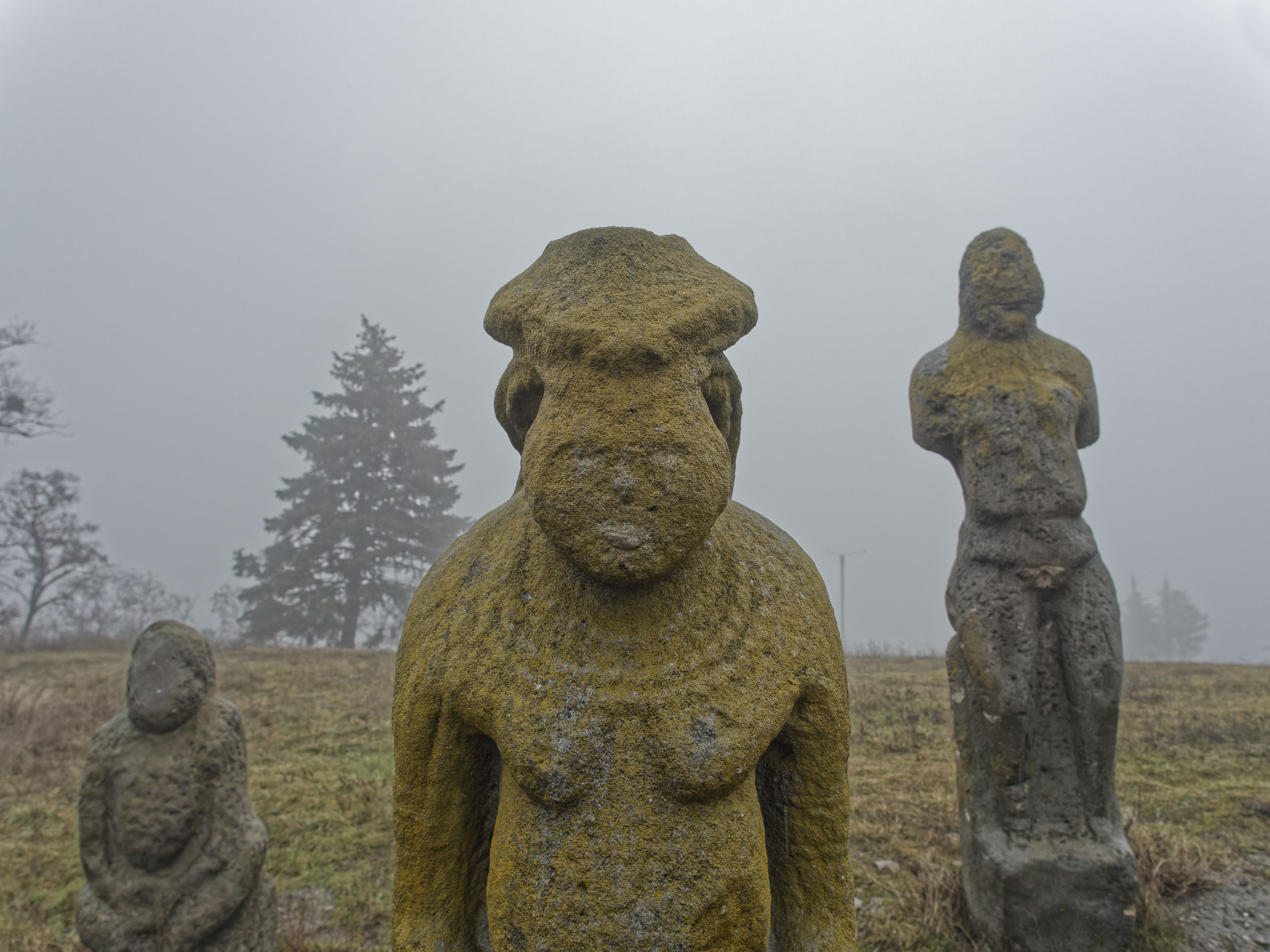
Their chosen statue starts talking to the users, telling them about the specifics of its appearance giving context, for example on the social status of who they represent, their profession and the meaning of the items they are carrying with them. While this happens, the view zooms in on the relevant parts of the 3D model.
The story continues by the statue explaining how Polovtsian influences are still present in Ukrainian culture today. The statues are viewed as an important part of the multi-ethnic history of the Ukrainian steppes, which is crucial for defining Ukrainian self-awareness and national identity in the face of Russian claims that the territories are historically "Slavic" and belong to them.
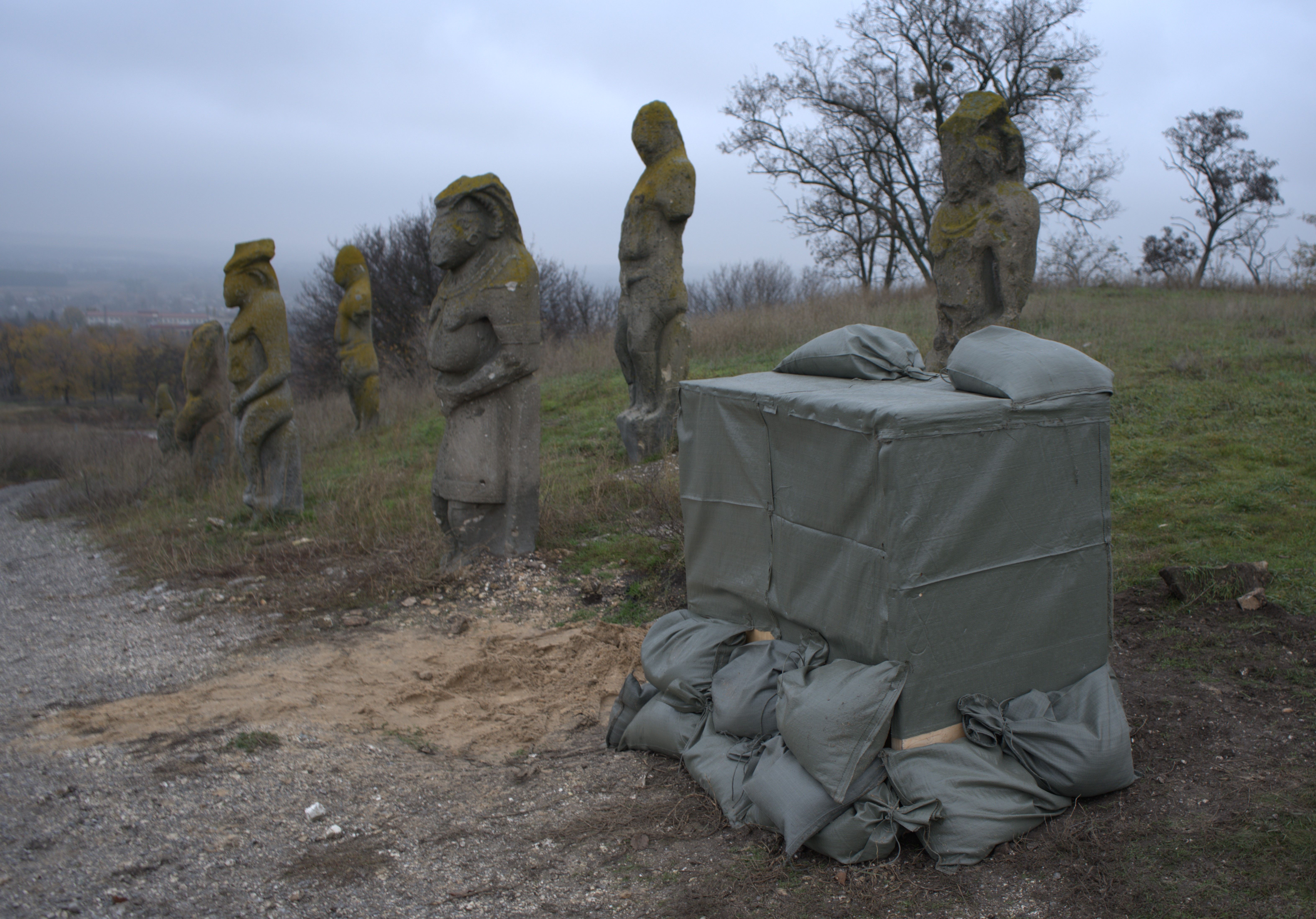
When the voiceover of the previous section finishes, the users go back to the location of the statues in present day and we see a reconstruction of the evacuation of some of the statues. The users see people packing the statues and making them ready for being transferred to a safe location. This preservation has become a more than just symbolic act of cultural resistance against the Russian invasion.
Finally, the users are instructed to take out their phones from the cardboard VR. Now they see a screen where they can connect with each other, especially across different places in the diaspora. Their conversation is prompted with questions such as: How do you keep connected to your heritage while far away from home?
Author(s):
- Philine Kreuzer, Netherlands Institute for Sound & Vision
- Gabrielle Aguilar van Gend, Netherlands Institute for Sound & Vision
Behind the scenes:
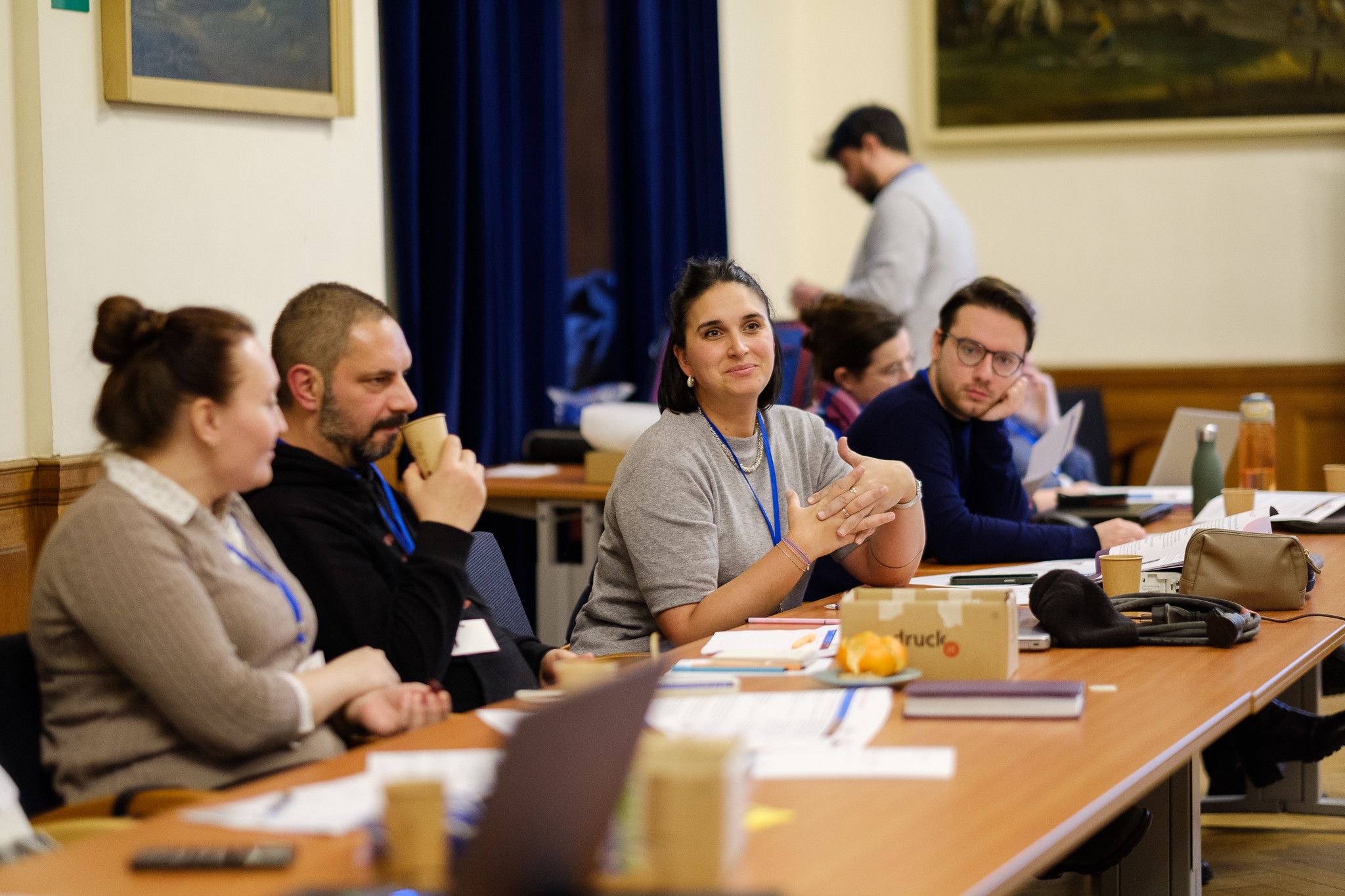
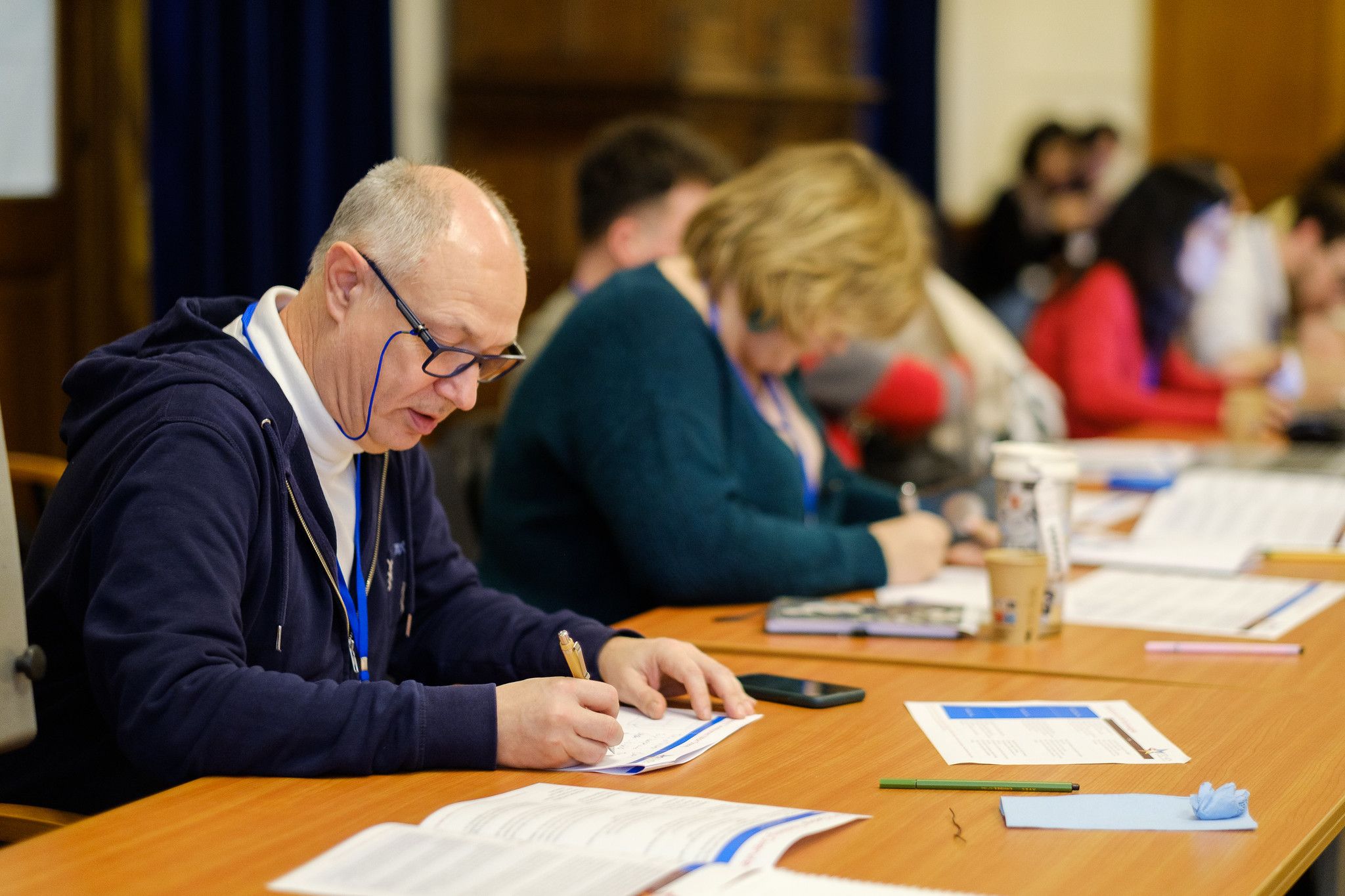
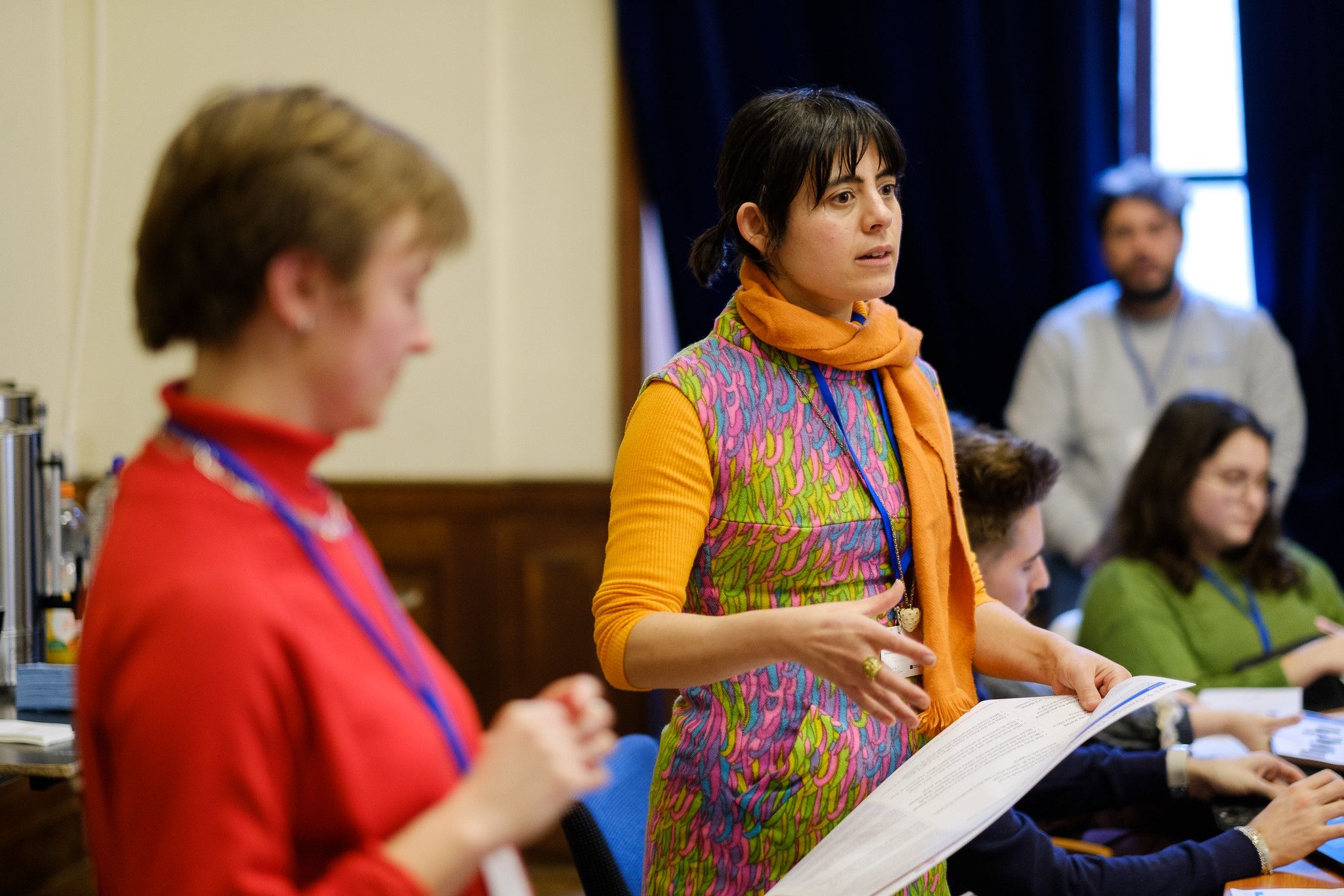
This scenario was developed for the 3D-4CH Winter School, held in Brussels on 21–23 January 2026 as part of the Storytelling & XR workshop, which explored how storytelling can strengthen the technical practice of 3D digitization. You can read more about the workshop here.
Interested in storytelling with heritage assets?
We're developing a course to help you get started. Stay tuned!