First 3D Models from Ukraine Now Live on Europeana - A Milestone for Ukrainian Cultural Heritage
18. 12. 2025

The 3D-4CH project has published the first 3D cultural heritage objects from Ukraine on Europeana in collaboration with Pixelated Realities, marking an important step in strengthening digital preservation and accessibility of Ukrainian heritage within the European data space. The models were created through emergency photogrammetry workflows and represent cultural assets from multiple Ukrainian regions, showcasing how cross-border cooperation and standards-based 3D digitisation can safeguard at-risk heritage.
A key milestone in strengthening Europe’s digital preservation capacity and supporting at-risk heritage
The 3D-4CH project is proud to announce the publication of the first 3D cultural heritage objects from Ukraine on Europeana. Developed in close collaboration with our partner Pixelated Realities within the EU-funded XRculture and 3D-4CH Online Competence Centre initiatives, these models represent an important step toward enriching Europe’s digital cultural ecosystem with high-quality, standards-based 3D content from regions facing significant risks.
As Fulgencio Sanmartín (Policy Officer at the European Commission and Project Officer of 3D-4CH) emphasizes: “The 3D digitisation of Ukrainian cultural heritage is critical for safeguarding our historical and European identity and culture. It also provides essential blueprints for future reconstruction after the war, and for ensuring that future generations have access to its rich cultural legacy. By getting Ukrainian 3D models to the common European data space for cultural heritage, we enhance their preservation and availability through international collaboration, resource sharing, and accelerated technological advancements.”
Marco Medici (Project Coordinator of 3D-4CH) further comments: “The publication of the first Ukrainian 3D cultural heritage objects on Europeana, the basis of the common European data space for cultural heritage, is a highly symbolic and concrete milestone. It demonstrates how European cooperation — in particular the close synergy between 3D-4CH and XRculture — can translate technical expertise, shared standards, and digital infrastructures into real support for heritage at risk. By bringing these models into the data space, we are not only safeguarding vulnerable cultural assets through high-quality 3D documentation, but also ensuring that Ukrainian heritage remains visible, accessible, and fully integrated within Europe’s common digital cultural space, even in times of crisis.”
Documenting At-Risk Monuments Through Emergency 3D Capture
These first published 3D models originate from the Museum of Ukrainian Victory initiative and include outdoor sculptures and heritage sites from Odesa, Kherson, Kharkiv, and Sumy regions:
- Statue of Duke de Richelieu in Sand Bags and as an original version
- Lioness and Lion of the Odesa City Garden (sculptor Auguste Caїn)
- Taras Shevchenko monument, Odesa
- Taras Shevchenko Monument in Sand Bags, Kharkiv
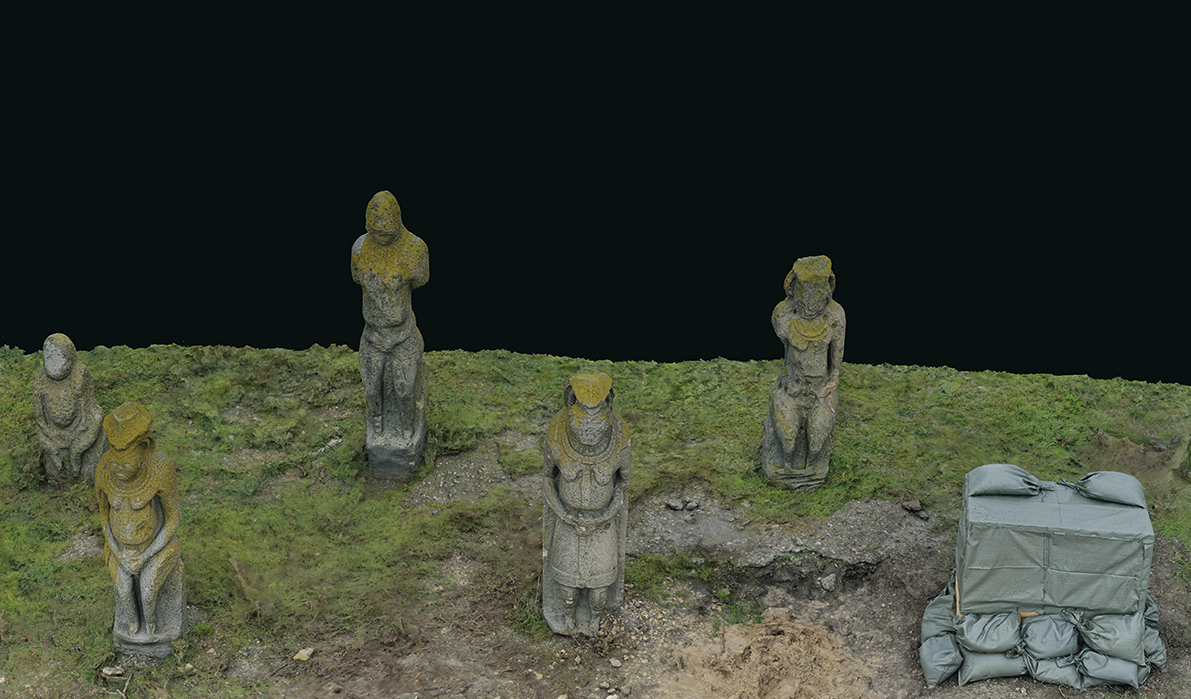
- The Polovtsian warrior statues of Izium (Polovtsian babas), Kharkiv region
- The Northern Gate of Kherson fortress, Kherson
- Okhtyrka City Museum of Local Lore, Sumy region
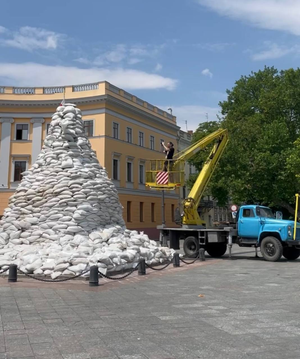
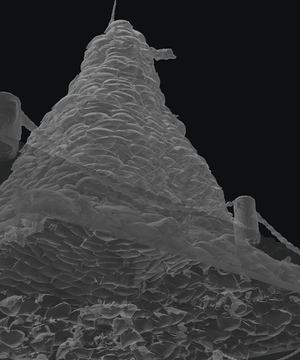
The cultural heritage objects were captured through emergency photogrammetry workflows conducted by trained conflict reporters with subsequent 3D processing carried out in Odesa. The models are part of a wider collection of more than 30 objects documented for the Museum of Ukrainian Victory in 2022 and early 2023.
“Our focus has been on documenting heritage under threat through close collaboration with reporters and local communities. By training conflict reporters to use photogrammetry on the spot, in war-affected areas, we’ve enabled large-scale, grassroots digital preservation. In an era of disinformation and AI-generated fakes, 3D documentation ensures that future generations — in museums or classrooms — will see an unaltered version of history.” says Iana Boitsova (Head of Pixelated Realities Public Organisation).
Scaling Up Ukrainian 3D Heritage in Europeana
Building on this successful pilot, Pixelated Realities - partner of the 3D-4CH Online Competence Centre - will contribute approximately 40 additional 3D models to Europeana next year. An open call will further invite Ukrainian cultural heritage institutions to share existing 3D assets via Europeana, expanding the representation of Ukrainian heritage within international digital infrastructures.
CARARE, a non-profit network of agencies, research institutions, digital archives, and others dedicated to archaeological and architectural heritage based in Ireland and partner of the 3D-4CH project, plays a crucial role in facilitating the 3D cultural assets integration.
As Henk Alkemade (Deputy Operations Manager) emphasizes: “CARARE actively supports Ukrainian Institutions to preserve and share their (digitised) cultural heritage with Europeana and the world by using standard-based workflows, enabling seamless integration of their 3D heritage into Europeana.”
This effort is also an important step toward the long-term plans to establish a national Europeana aggregator based on the Register of the Museum Fund of Ukraine. This aggregator will serve as a key national hab, connecting Ukrainian museum collections more directly with European digital platforms and infrastructures.
Strengthening Europe’s Digital Heritage Ecosystem
By bringing these initial Ukrainian objects to Europeana, Europe’s flagship platform for cultural heritage, which already hosts more than 60 million items, the 3D-4CH project advances its mission to strengthen expertise, workflows, and best practices in 3D digitisation. These models demonstrate how cross-border collaboration and European-level capacity building can protect, document, and share vulnerable heritage, even under challenging circumstances.
This milestone not only expands access to Ukrainian cultural heritage but also supports Europe’s strategic goals in digital preservation, interoperability, and long-term data stewardship. Through the integration of advanced 3D datasets, Europeana’s collections become richer, more diverse, and more immersive, enabling new research opportunities, innovative reuse, and deeper public engagement.
The 3D-4CH project will continue working closely with Ukrainian partners and European stakeholders to scale up these efforts, improve data quality, and develop sustainable infrastructures that safeguard cultural heritage for future generations.
Valentine Charles (Data Services Director at the Europeana Foundation) affirms: "Together with our partners — the data space consortium, the European Commission and Member States — we are shaping the data space as the main entry point for cultural heritage data. Expanding high-quality 3D content is a priority for the years ahead. Guided by the principles of diversity and inclusion, we are committed to ensuring Ukraine's heritage is duly represented. Building on previous work, such as the Europeana Initiative’s "Supporting the digital cultural heritage of Ukraine" Working Group, this step strengthens digital capacity for Ukrainian institutions while bringing 3D Ukrainian content to a wider audience.”
Explore the first collection of 3D Ukrainian cultural heritage assets on Europeana here: pixelated realities - Europeana
Behind the Scenes: The Data Integration Workflow for Europeana
The integration of these assets followed a structured, standards-aligned workflow designed for interoperability within the Europeana ecosystem:
- Initial upload of the 3D models by Pixelated Realities to an online storage
- Metadata ingestion into CARARE’s Share3D tool
- EDM-compliant metadata enrichment and validation
- Processing and publication through Europeana’s METIS pipeline